The Energy Storage Market Size is projected to be valued at USD 51.10 billion in 2024 and is anticipated to grow to USD 99.72 billion by 2029, with a compound annual growth rate (CAGR) of 14.31% over the forecast period from 2024 to 2029.
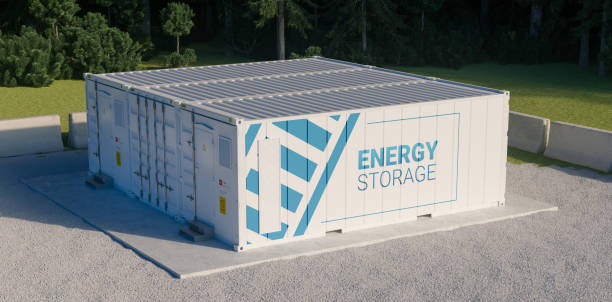
Market Overview and Growth Drivers
As the global shift towards renewable energy accelerates, the energy storage market has become essential in ensuring stable energy availability. The adoption of energy storage systems (ESS) allows for efficient management of power supply, storing surplus energy generated from renewable sources such as solar and wind, which can then be deployed during periods of high demand or when generation is low. Market growth is primarily driven by:
- Rising Demand for Renewable Energy: The growing adoption of renewables globally has created a demand for efficient storage solutions to manage intermittent energy production and improve energy reliability.
- Grid Modernization and Stability: ESS supports grid operators by balancing supply and demand, helping to reduce power outages and ensuring a consistent supply even during peak load times. Grid modernization programs around the world are expected to drive further investments in storage systems.
- Advances in Battery Technology: Recent innovations in battery technology, especially lithium-ion and solid-state batteries, have improved energy storage capacity, lifespan, and safety, making energy storage systems more viable for commercial and residential applications.
- Government Policies and Incentives: Supportive policies, subsidies, and tax incentives have been critical in promoting energy storage, especially as governments set renewable energy targets and adopt carbon reduction mandates.
Types of Energy Storage Technologies
Energy storage technologies come in various forms, each suited to specific applications and operational needs. The most widely used include:
- Lithium-Ion Batteries: Dominating the energy storage market due to their high efficiency, reliability, and falling costs, lithium-ion batteries are popular in applications ranging from electric vehicles (EVs) to home energy storage and large-scale utility projects.
- Pumped Hydro Storage (PHS): As the oldest form of large-scale energy storage, PHS utilizes gravitational potential energy by moving water between reservoirs to store and release energy. While highly efficient, it is dependent on geographic location and requires significant investment.
- Flow Batteries: These batteries are particularly useful for long-duration storage applications, offering the ability to provide consistent power for extended periods. Although more costly, flow batteries are well-suited for grid-scale applications where energy needs are predictable and steady.
- Thermal Storage: Thermal energy storage captures heat, which can later be converted to electricity. This technology is particularly valuable in regions with concentrated solar power facilities and for managing building heating and cooling demands.
3. Key Trends Shaping the Energy Storage Market
The energy storage market is evolving quickly, with several key trends driving its trajectory:
- Energy Storage as a Service (ESaaS): Many companies are opting for ESaaS solutions, where they pay for storage capacity as a utility rather than investing upfront in costly infrastructure. This model allows businesses to scale their energy storage needs based on demand, making it a flexible option.
- Integration with Renewable Microgrids: With the rise of localized microgrids, particularly in off-grid and remote areas, energy storage systems are becoming essential in integrating renewables and maintaining grid independence, supporting both resilience and sustainability goals.