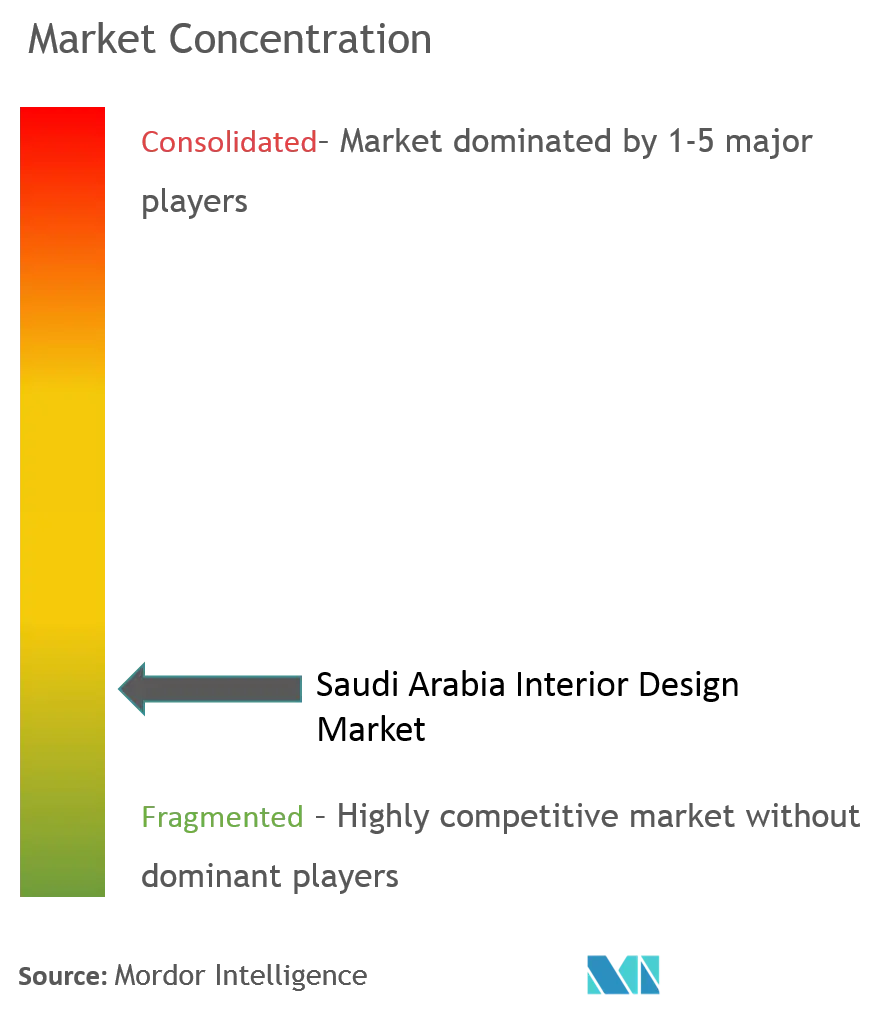
The Saudi Arabia Interior Design Market Size is projected to be USD 3.66 billion in 2024, with expectations to grow to USD 4.63 billion by 2029. This indicates a compound annual growth rate (CAGR) of 4.81% during the forecast period from 2024 to 2029.
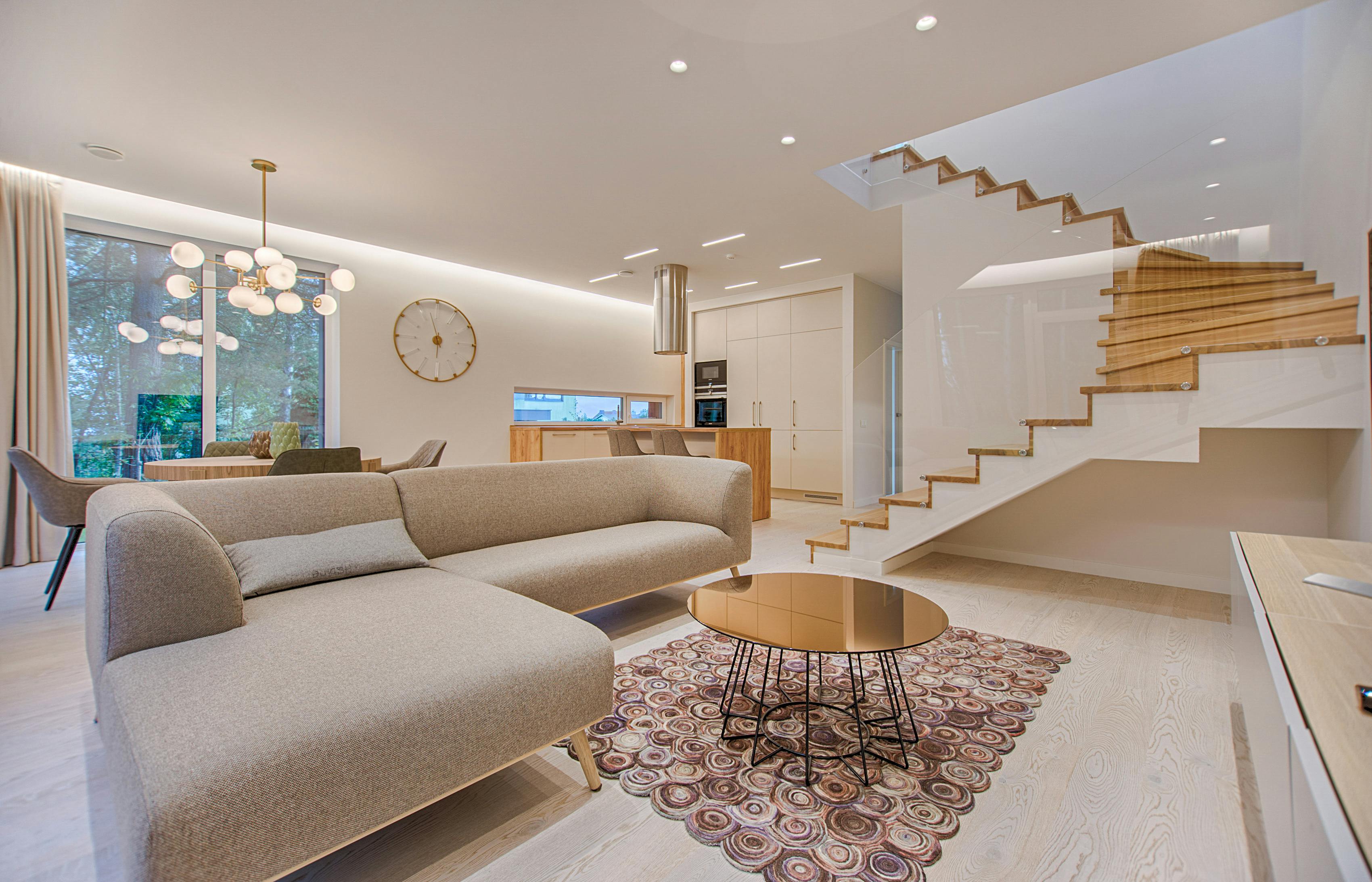
Sustainable design is gaining prominence in Saudi Arabia's interior design market as the country seeks to align with global environmental standards and promote eco-friendly practices.
Key Trends
- Integration of Eco-Friendly Materials: There is a noticeable shift towards using sustainable materials in interior design. Designers are increasingly incorporating recycled, reclaimed, and locally sourced materials to minimize environmental impact. This not only supports local industries but also reduces carbon footprints associated with transportation.
- Energy Efficiency and Smart Technology: Sustainable design in Saudi Arabia is closely tied to energy efficiency. The adoption of smart home technologies that optimize energy use is on the rise. Features such as energy-efficient lighting, smart thermostats, and automated systems are becoming standard in modern interior designs, contributing to lower energy consumption and utility costs.
- Cultural Sensitivity and Local Heritage: Sustainable design in Saudi Arabia often reflects the rich cultural heritage of the region. Designers are blending traditional elements with contemporary aesthetics, creating spaces that honor local history while promoting sustainability. This fusion enhances the cultural relevance of modern designs and supports community identity.
- Government Initiatives and Regulations: The Saudi government is actively promoting sustainable practices through various initiatives. Regulations encouraging green building certifications and sustainable construction practices are being implemented, fostering a market that prioritizes environmental responsibility.
- Growing Awareness Among Consumers: As awareness of environmental issues rises, consumers in Saudi Arabia are increasingly demanding sustainable options in interior design. This shift is prompting designers and firms to adapt their offerings to meet these expectations, thereby driving the growth of the sustainable design market.
Conclusion
The shift towards sustainable design in Saudi Arabia is not just a trend but a significant movement shaping the future of the interior design market. As the country embraces sustainability as a core principle of its development strategy, the integration of eco-friendly materials, energy-efficient technologies, and cultural heritage will define the next generation of interior spaces. The continued support from the government and growing consumer awareness will likely accelerate this transition, positioning Saudi Arabia as a leader in sustainable interior design within the region.
You can also find the related reports below:
To know more, visit: https://www.mordorintelligence.com/industry-reports/saudi-arabia-interior-design-market