
The Aviation Market Size is projected to reach a valuation of USD 333.96 billion in 2024, with growth anticipated to bring it to USD 396.15 billion by 2029, reflecting a compound annual growth rate (CAGR) of 2.87% over the forecast period from 2024 to 2029.
According to Mordor Intelligence market research, key trends defining this phase include increased focus on sustainability, heightened technological adoption, evolving consumer behaviors, and renewed regulatory standards. Each trend is playing a role in setting a transformative trajectory for the industry, driving efforts to enhance efficiency, reduce emissions, and improve overall resilience.
Sustainable Aviation and Green Initiatives
With the push for sustainability accelerating, airlines are investing heavily in technologies that lower emissions. This includes the development of Sustainable Aviation Fuel (SAF), electric aircraft concepts, and operational efficiencies aimed at reducing carbon footprints. The industry is also increasingly focused on partnerships for developing SAF infrastructure to support greener operations.
Digital Transformation and Automation
Technology adoption in aviation has accelerated, with Artificial Intelligence (AI) and Internet of Things (IoT) solutions driving process improvements across the board. From real-time data analytics in flight operations to AI-driven customer service, airlines are enhancing operational efficiency while creating seamless travel experiences. Predictive maintenance and automated ground operations are other areas where technological adoption is minimizing downtime and operational disruptions.
Reshaping Passenger Expectations
The pandemic has shifted consumer priorities, with travelers now demanding greater flexibility, improved hygiene protocols, and enhanced digital engagement. Airlines are responding by implementing contactless technologies, improving in-flight connectivity, and creating more personalized services to match these changing expectations.
Supply Chain Optimization and Resilience
The pandemic exposed vulnerabilities in the aviation supply chain, prompting a shift towards more resilient systems. Many airlines and manufacturers are diversifying suppliers, focusing on local sources, and integrating digital solutions that offer real-time supply chain insights, helping to minimize disruptions in the future.
Regulatory Compliance and Health Protocols
With evolving health guidelines, aviation companies are continuously adapting to regulatory standards to ensure passenger safety. This includes adopting new health protocols, such as enhanced sanitization and air filtration systems, and staying agile to respond to changes in international travel regulations.
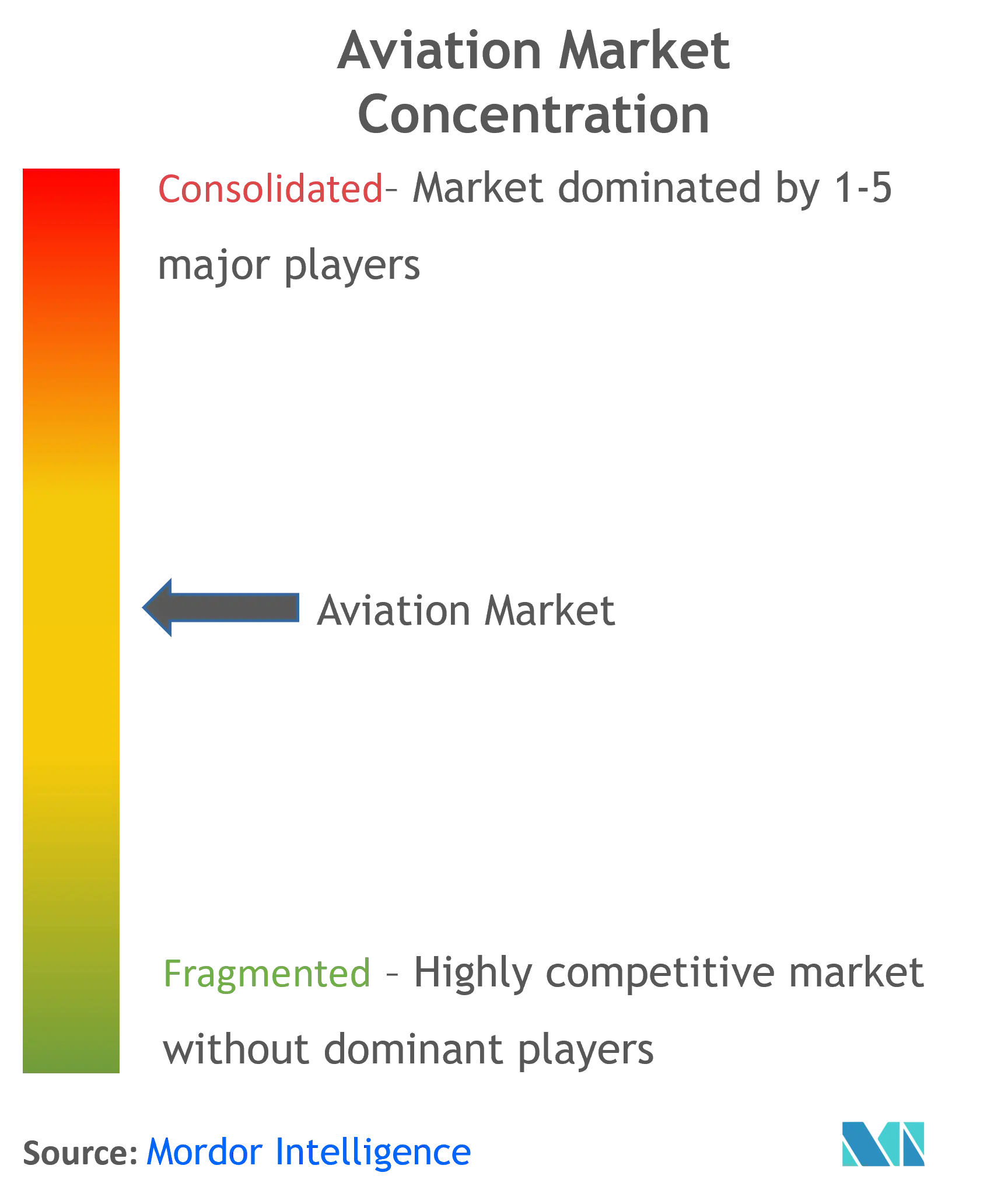
The post-pandemic landscape has set the stage for significant transformation in aviation, balancing sustainability, digital advancement, and improved passenger experiences with a resilient supply chain and robust regulatory adherence. These changes, as identified in the Mordor Intelligence market research, are expected to drive the sector’s recovery and growth, positioning it to meet the evolving demands of the modern traveler and address future industry challenges.
You can also find the related reports below:
To know more, visit: https://www.mordorintelligence.com/industry-reports/aviation-market